Starting with Ghosts transforming into Gold: An Economical Aspects of Dark Web Trading


Lately, the mysterious world of illicit online marketplaces has captured increasing attention, drawing in both law enforcement agencies and intrigued people alike. These clandestine platforms, nestled within the layers of the hidden internet, provide an unmatched venue for a variety of products and services, covering the forbidden to the unknown. As darknet sites continues to evolve, so too do the practices of commerce that thrive in these hidden corners of the online space.
Understanding the economics behind the dark web economy unveils a multifaceted system of motivations, risks, and benefits. Users are attracted into this underground economy not only by the enticement of anonymity but also by the possibility of obtaining products that are often forbidden or strictly controlled in typical commerce. As we explore further this intriguing landscape, we will examine how these markets operate, the elements influencing their growth, and the implications they pose for both clients and merchants moving through the hazardous paths of the darknet.
Comprehending the Dark Web
The dark web is a section of the internet that is not indexed by conventional search engines. Accessing this hidden layer demands certain software, most commonly The Onion Router, which conceals user identification and locations. While the hidden web has lawful uses, such as safeguarding privacy for whistle blowers or campaigners in repressive regimes, it is often connected with criminal activities. This dual nature makes it a intricate and intriguing space for both participants and researchers.
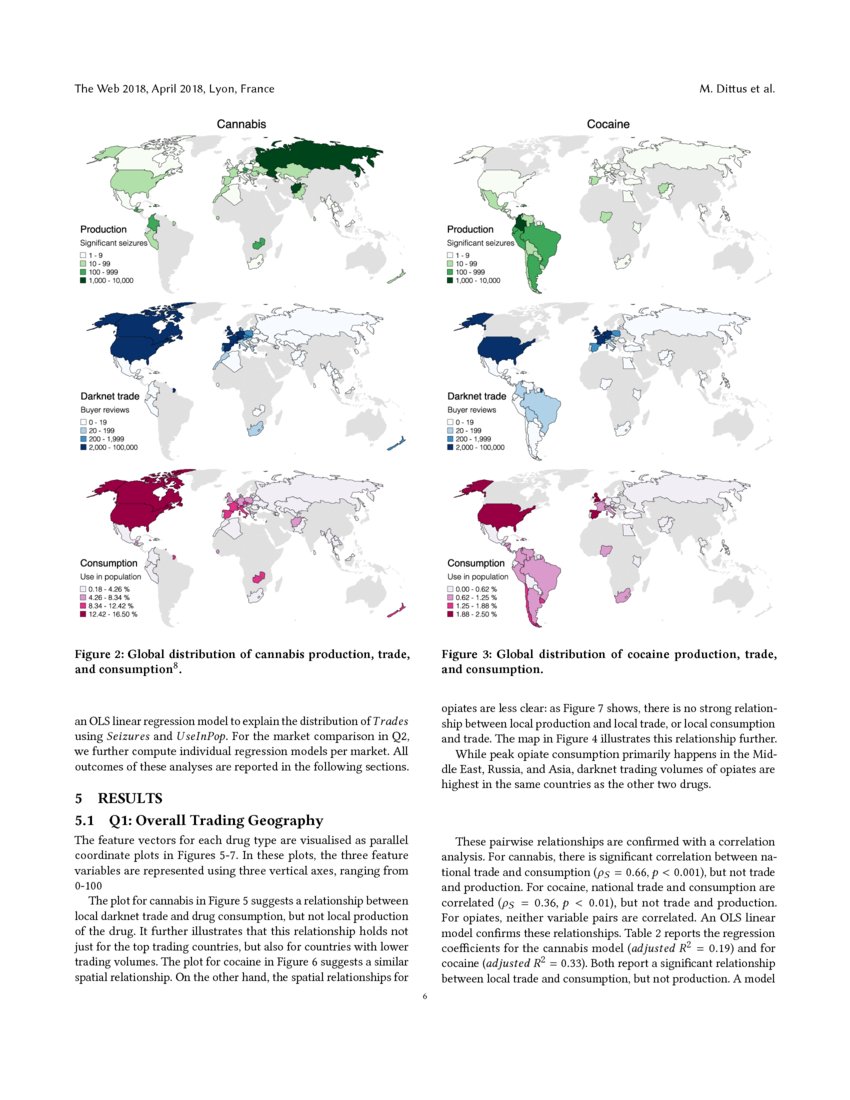
Underground markets are virtual sites within the dark web where items and offerings, often illegal, are bought and exchanged anonymously. Transactions typically include digital currencies, which provide a level of secrecy that traditional payment methods do not. These markets have gained infamy for enabling trade in narcotics, weapons, stolen data, and other contraband, attracting a wide customer base with different motivations and interests. The operation of these markets emphasizes the ongoing conflict between liberty of expression and the regulation of illicit activities.
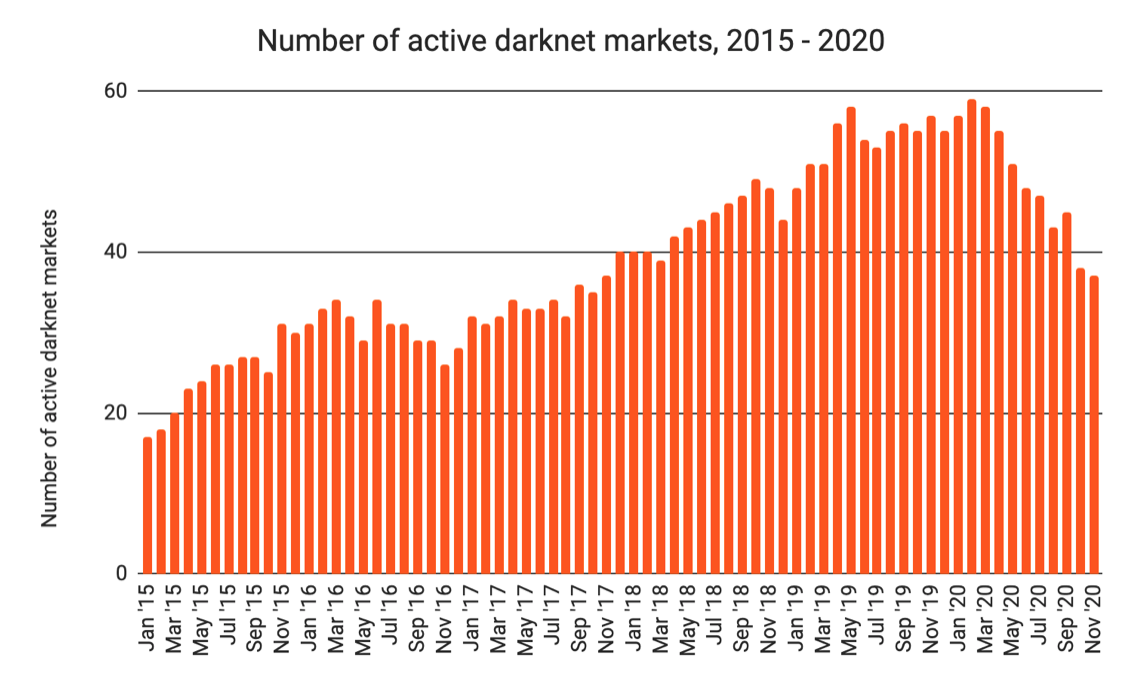
The interactions of the hidden web and its marketplaces are determined by a constant cat-and-mouse game between authorities and owners of these platforms. While many dark web platforms may be temporary due to law enforcement crackdowns, novel markets appear to take their role. This tenacity highlights an entire economy that flourishes on the need for privacy and prohibited products, making the hidden web a enthralling topic for those looking to understand current trade beyond standard systems.
The Mechanics of Dark Web Trading
Dark web trading operates through a complex network of sites that allow the transaction of illicit goods and services. Users connect to these platforms using specific software such as Tor, which enables concealment by routing connections through a series of community-run servers. This anonymity attracts a diverse group of users, including sellers, buyers, and even law enforcement officials. Within these marketplaces, transactions are often executed using cryptocurrencies like Bitcoin, which adds to the concealment of users' identities and allows for peer-to-peer transactions without traditional banking interference.
The structure of dark web markets typically includes user reviews and ratings, which help build trust within a community where buyers and sellers sometimes meet in-person. Each user must register an account, and new vendors often begin by offering limited amounts of their products to build credibility before scaling their operations. Disputes over payment can arise; therefore, many marketplaces employ escrow services to hold funds until both parties verify the successful delivery of goods. This system provides a layer of safeguard for buyers while ensuring that sellers get their payments.
Additionally, the life cycle of dark web markets can be fleeting due to constant law enforcement efforts and the constantly changing tactics of users. Marketplaces frequently rebrand themselves or migrate to new domains to avoid being shut down. This creates an environment of instability where traders must stay alert and adapt quickly to maintain their operations. The transient nature of these platforms enhances the secrecy of transactions and presents persistent challenges for those attempting to regulate or understand the dark web economy.
Threats and Benefits in Hidden Economies
Involvement in darknet spaces presents a unique set of risks that can discourage new traders and challenge even seasoned traders. One of the most serious dangers is the law enforcement risk. Police across the planet are continuously working to infiltrate these spaces and capture individuals participating in illegal activities. The privacy that the underground network provides is not absolute, and traders can risk encountering severe legal repercussions. Additionally, the risk for scams is high, as not all vendors can be relied upon, and deceit can result in loss of resources or personal data.
Despite the inherent dangers, there are significant rewards for those who navigate the hidden well. Many participants turn to these spaces for entry to goods that are otherwise restricted or illegal in their regions. This can include a range from pharmaceuticals to digital currencies. The potential for gain is huge; some people have reported large gains by buying low and selling high on hidden goods, capitalizing on the unique supply and demand patterns.
Moreover, the sense of togetherness within specific underground spaces can offer a form of networking opportunity that traditional markets lack. Traders often share insights, tips, and stories, which can improve their trading approaches and create alliances of help. This bonding, combined with the profit opportunities, continues to draw new traders to underground spaces, even in consideration of the many risks that accompany such actions.